Law report No. GLW-1192 · filed October 15, 2026
Courts & TribunalsReported case
Automated Payment Refusals Can Trigger GDPR Curbs, EU Court Opinion Says
An EU court opinion says automated payment refusals can fall under GDPR, potentially imposing transparency and human-review duties on payment firms.
By Priya Raman3 min read555 words
Holding
- An advocate general at the Court of Justice of the EU issued an opinion that automated payment refusals can trigger GDPR curbs.
- The opinion is advisory; the Court of Justice has not yet delivered its final judgment.
- If followed, the ruling could bring payment refusals within GDPR safeguards for solely automated decisions.
- Payment-service providers may face transparency, documentation, and human-review obligations for algorithmic refusals.
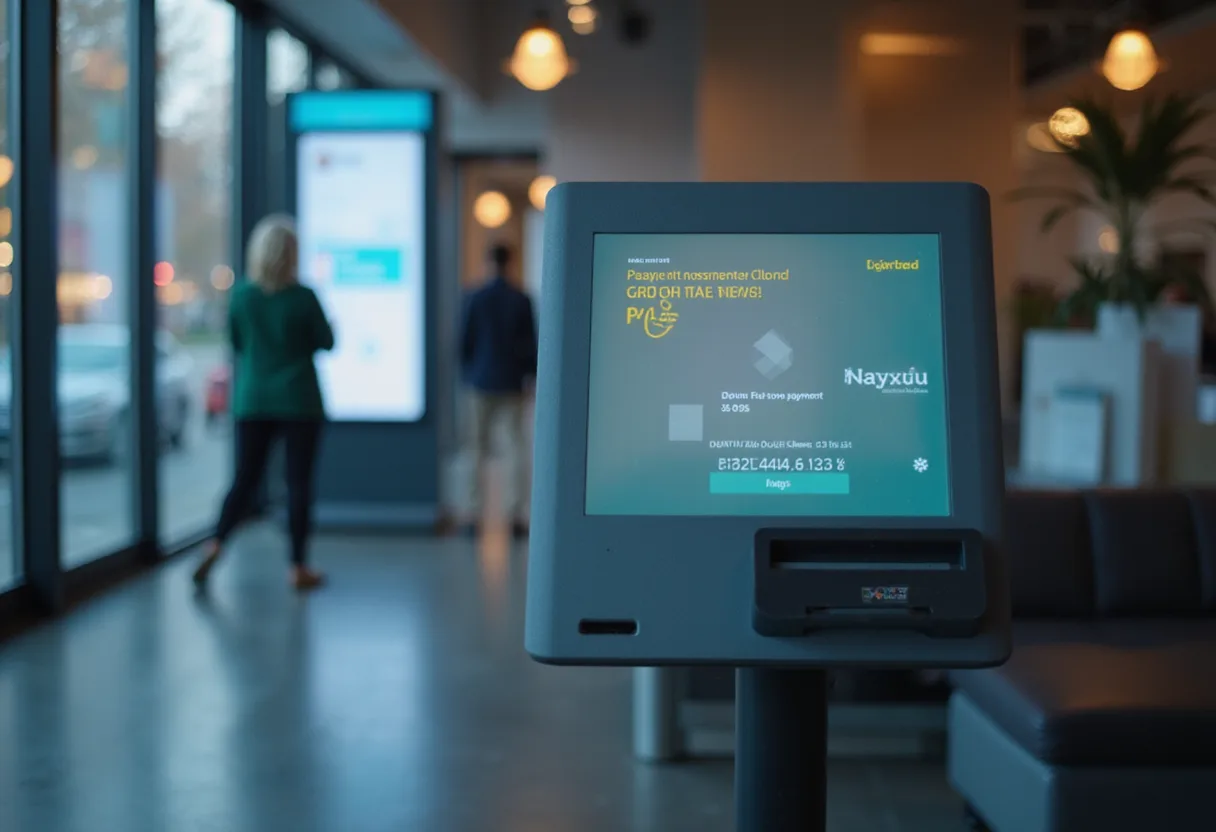
Automated decisions that refuse consumer payments can fall within the scope of the EU's data-protection regime, according to an opinion delivered by an advocate general at the Court of Justice of the European Union. The opinion, reported by MLex, signals that payment-service providers relying on automated refusal systems may face curbs under the General Data Protection Regulation (GDPR).
The Luxembourg court has not yet ruled. An advocate general's opinion is advisory; the Court of Justice retains final authority, and it does not always follow its advocates general. That caveat matters here, because the opinion's practical reach depends entirely on the eventual judgment.
What does the opinion address?
The opinion concerns whether a decision to refuse a payment, taken by automated processing, constitutes an automated decision about a data subject in the sense the GDPR contemplates. If the court agrees, such refusals could attract the regulation's safeguards, which restrict solely automated decisions producing legal or similarly significant effects.
A refused transaction is more than an inconvenience. Consumers denied automated payment may lose the ability to purchase goods or services at the moment of sale, an effect the GDPR's drafters arguably had in mind. The opinion suggests that this effect can be significant enough to engage the regulation.
The takeaway in plain words: banks and payment firms may soon owe GDPR-level duties — including transparency and human review — when algorithms turn a payment down.
Who faces consequences if the court follows the opinion?
Payment-service providers are the obvious respondents. A ruling aligned with the opinion would require them to review how refusal decisions are made, documented, and challenged.
Practitioners should note several pressure points:
- System design. Automated refusal logic may need a lawful basis and GDPR-compliant safeguards, not only anti-fraud justification.
- Transparency duties. Firms may need to inform customers that a refusal was automated, and on what grounds.
- Human intervention. The GDPR framework contemplates a route to contest solely automated decisions; payment refusals may join that category.
- Cross-sector exposure. Any sector using automated transaction gating — fintech, e-commerce, insurance — could face analogous claims.
The practical consequence is straightforward but conditional. Compliance teams should audit automated refusal pipelines now, while waiting for the judgment; the court's decision, when it lands, will fix the binding rule.
The takeaway in plain words: if the court agrees, every algorithmic "no" at the checkout becomes a GDPR event, with notice and appeal duties attached.
What is still undecided?
The opinion is not a judgment. The Court of Justice will rule in due course, and its reasoning may narrow, broaden, or reframe the advocate general's analysis. The date of the judgment is not yet fixed.
What the opinion does not say also matters. It does not, on the reported facts, address remedial damages for consumers, nor does it resolve how anti-fraud and anti-money-laundering obligations interact with GDPR safeguards when both point in different directions. Regulators and litigants will test those boundaries later.
For now, the signal is directional. Firms treating payment refusals as purely operational matters should reconsider that posture; the EU's highest court may shortly classify them as data-protection decisions.
The takeaway in plain words: nothing is binding yet, but the direction of travel is clear, and payment firms ignore it at their cost.
via GN EU Courts (Source)
More from Priya Raman
Show full bio
Staff writer covering companies, deals and strategy in International law and legal practice at Global Law Wire.
247 articles
Also before the court
- Automated Payment Refusals Can Trigger GDPR Curbs, EU Court Opinion Says
- EU's Top Court to Hear Challenge to EU-U.S. Data Privacy Framework
- Google Ordered to Pay €890 Million in EU Antitrust Ruling
- EU Court Adviser Sides With Regulators on TikTok Gatekeeper Status
- Court Adviser Sides with EU Regulators in TikTok Gatekeeper Fight