Law report No. GLW-3130 · filed October 15, 2026
Courts & TribunalsReported case
Colombia's Peace Tribunal Finds Ex-Rebel Leaders Committed War Crimes
Colombia's Special Jurisdiction for Peace has found former rebel leaders committed war crimes against Indigenous groups, shaping reparations and sanctions.
By Amara Osei2 min read418 words
Holding
- Colombia's Special Jurisdiction for Peace (JEP) ruled that former rebel leaders committed war crimes against Indigenous groups
- The tribunal was created under the 2016 peace accord that ended the conflict
- The finding triggers the JEP's restorative sanctions track for those held responsible
- Indigenous victims may rely on the ruling in reparations proceedings
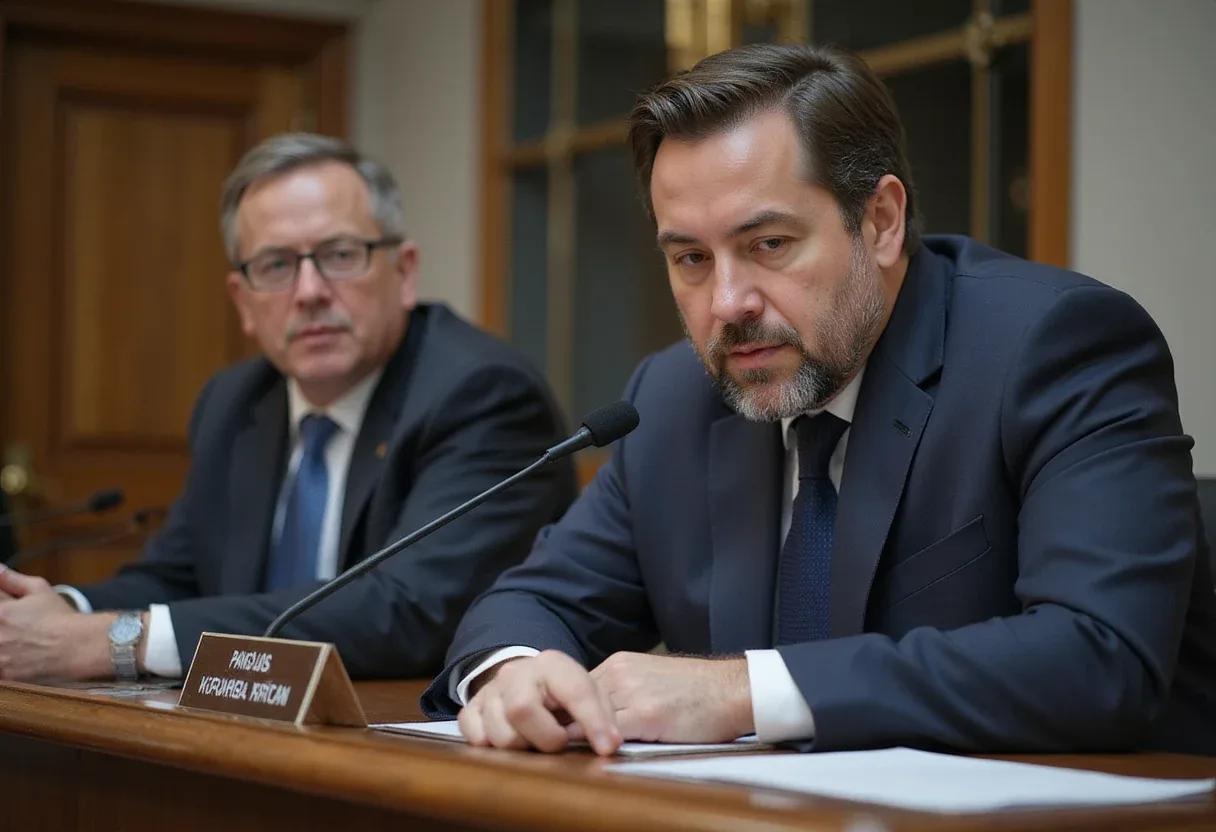
Colombia's peace tribunal has ruled that former rebel leaders committed war crimes against Indigenous groups, delivering one of the most consequential findings to date from the transitional court created under the 2016 accord that ended half a century of armed conflict.
The Special Jurisdiction for Peace, known by its Spanish initials JEP, issued the finding. The tribunal did not merely note historical wrongdoing. It determined that commanders of the former guerrilla movement committed war crimes against Indigenous communities, whose territories and peoples bore a disproportionate share of the violence that defined the conflict.
The ruling matters for a simple reason. The JEP does not hand down ordinary criminal sentences. It trades accountability for truth: confessed perpetrators who cooperate fully receive restrictive conditions short of prison, while those who deny or deflect face ordinary prosecution. A war crimes finding therefore sets the terms for what comes next — acknowledgment, reparations and guarantees of non-repetition for the affected Indigenous groups.
What does the ruling change for practitioners?
For lawyers advising former combatants, the decision narrows the room for denial. War crimes findings by the JEP trigger its restorative track: individualised obligations, appearances before victims, and reparations ordered against those found responsible. Counsel for Indigenous communities, meanwhile, gain a judicial foundation for reparation claims grounded in the tribunal's own factual determinations rather than contested evidence.
The finding also carries weight beyond the courtroom. Colombia's Indigenous groups suffered killings, displacement and forced recruitment throughout the conflict, and the tribunal's recognition converts that suffering into an adjudicated fact. Recognition, in transitional justice, is currency.
Why the tribunal exists at all
The JEP was created by the 2016 peace agreement between the Colombian state and the former guerrilla force. It exists to investigate, try and sanction serious violations committed during the conflict — by ex-combatants and by state agents alike — in exchange for truth-telling and reparations. Its rulings are final on matters within its jurisdiction, and its macro-cases have progressively mapped the conflict's architecture of violence.
This is not the tribunal's first encounter with the war's hardest questions. But a finding directed at former rebel leadership over crimes against Indigenous peoples places the commanders' own conduct, not merely the conduct of rank-and-file, within the tribunal's remedial reach.
The decision's practical consequence: the former leaders named now face the JEP's sanctions regime, while Indigenous victims hold a ruling they can invoke in reparations proceedings. Truth, at last, has a case number.
via GN War Crimes (Source)
More from Amara Osei
Show full bio
Senior reporter covering people, launches and day-to-day practice in International law and legal practice at Global Law Wire.
249 articles
Also before the court
- Colombia's Peace Tribunal Finds Ex-Rebel Leaders Committed War Crimes
- Colombia's Peace Tribunal Finds Ex-FARC Leaders Committed War Crimes
- Colombia's Peace Tribunal Finds Ex-FARC Leaders Committed War Crimes
- Colombia Peace Tribunal Finds Former FARC Rebels Committed War Crimes
- JusticeInfo.net Examines How War Criminals View Tribunals