Law report No. GLW-8991 · filed October 15, 2026
Criminal JusticeReported case
EU Reaffirms Call for Special Tribunal on Russian War Crimes
The EU has renewed its call for a special tribunal to prosecute Russian war crimes, pressing allied governments to close a jurisdictional gap the ICC cannot fill.
By Marcus Bennett2 min read489 words
Holding
- The EU has again publicly underscored the need for a tribunal to try Russian war crimes, DW.com reports.
- The ICC cannot prosecute the crime of aggression in this conflict because Russia is not a party to the relevant statute.
- A special tribunal would target senior Russian leadership responsible for launching the war.
- The tribunal's legal basis, seat and funding still require agreement among supporting states.
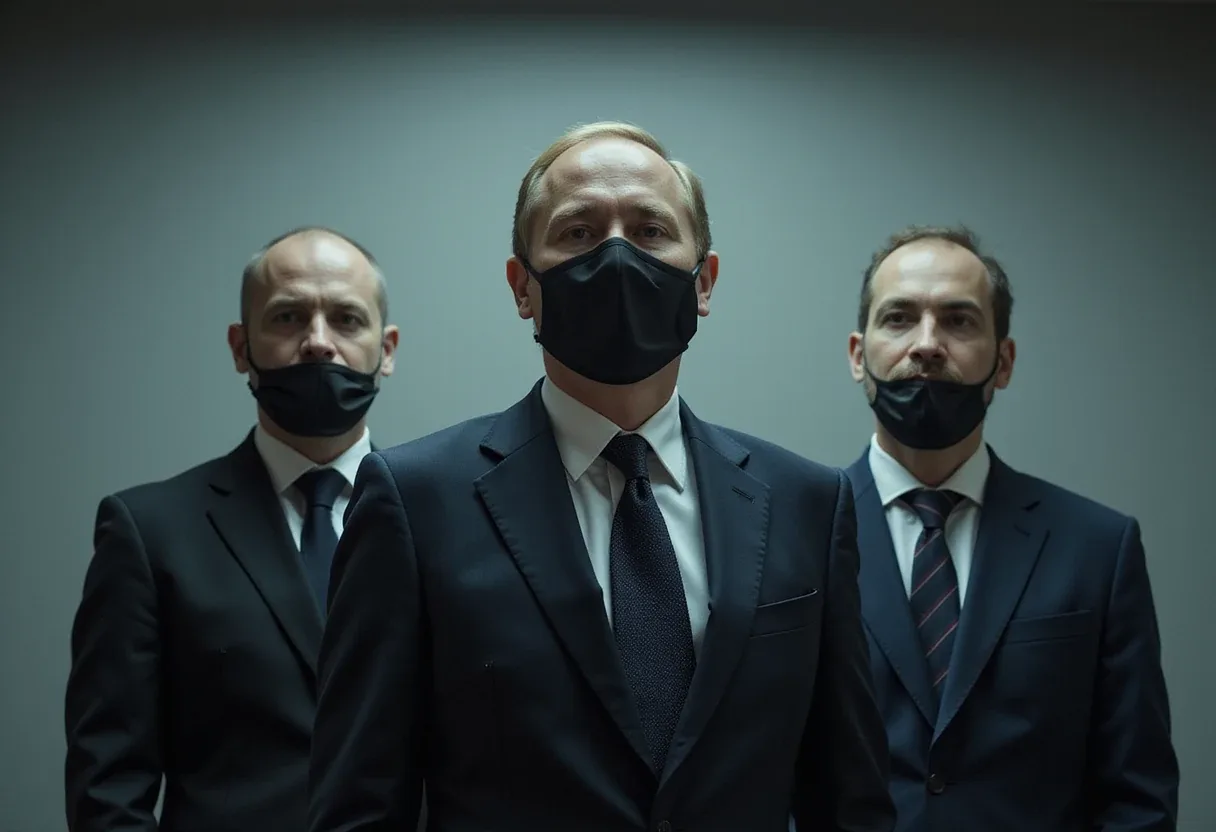
The European Union has again stressed the need for a dedicated tribunal to prosecute Russian war crimes, according to a report published by DW.com. The renewed statement signals that Brussels wants accountability for atrocities committed during Russia's war against Ukraine to run through a purpose-built court, not only through existing national and international mechanisms.
Byline: Marcus Bennett
Why does the EU keep pressing for a tribunal?
A war crimes tribunal of this kind would fill a gap in international law. The International Criminal Court in The Hague can prosecute war crimes and crimes against humanity committed on Ukrainian territory. It cannot, however, try the crime of aggression — the act of launching the war itself — because Russia is not a party to the relevant statute.
That is the legal vacuum the EU wants closed. A special tribunal, as Brussels envisions it, would carry jurisdiction over the crime of aggression and could target senior Russian leadership responsible for the war. The EU's latest underscoring of the need for such a body keeps the initiative on the political agenda while allied governments debate its precise form.
What does this mean in practice?
For practitioners, the development matters on three fronts. First, any special tribunal would create new procedural machinery — its own rules of evidence, its own prosecutorial office and its own registry — and with it new work for defence counsel, prosecutors and victims' representatives. Second, it would shape coordination with national war crimes units across Europe, many of which have already opened their own investigations into alleged Russian atrocities. Third, it would settle a contested jurisdictional question that has hung over the accountability file since the invasion began.
- The EU has publicly reaffirmed its support for a tribunal dedicated to Russian war crimes, DW.com reports.
- The push reflects limits on the ICC's jurisdiction, which does not extend to the crime of aggression in this conflict.
- A special tribunal would complement, not replace, investigations already under way in Ukraine and across EU member states.
- The timing keeps pressure on allied governments to agree the court's design and legal basis.
The EU position, as reported, does not itself create a court. It reinforces a political commitment that still requires agreement among partner states on where such a tribunal would sit, what law it would apply and who would fund it.
What comes next?
Officials in Brussels and allied capitals must still decide the tribunal's structural details before it can issue indictments. Until then, the EU's repeated emphasis serves as both signal and督促 — a reminder that the accountability agenda remains active at the highest level of European policy.
For lawyers tracking the file, the next milestone to watch is any formal agreement among supporting states on the tribunal's legal basis. Until that document exists, the EU's underscoring of the need for a tribunal remains a statement of intent — significant, but not yet a court.
via GN War Crimes (Source)
More from Marcus Bennett
Show full bio
Market editor covering regulation, policy and their impact on International law and legal practice at Global Law Wire.
244 articles
Also before the court
- CFR Examines Whether Russia Can Face Justice for Ukraine War Crimes
- Nord Stream Sabotage Trial Opens in Germany Against Ukrainian Suspect
- War Crimes Trials in Ukraine: Reporting Limited by Source
- Germany Opens Nord Stream 'War Crime' Trial With Kyiv Blamed
- Nord Stream Trial Opens in Germany as Defence Protests Charges