Law report No. GLW-8930 · filed October 15, 2026
Human RightsReported case
US Judge Blocks Sanctions on Rights Groups Aiding ICC Gaza Inquiry
A US federal judge has blocked sanctions on human rights groups assisting the ICC's Gaza war crimes inquiry, a preliminary win for NGOs challenging executive sanctions power.
By Grace Kim2 min read393 words
Holding
- A US federal judge blocked sanctions on rights groups assisting the ICC Gaza war crimes inquiry.
- The ruling came in a challenge brought by human rights organizations facing US sanctions measures.
- The ICC is conducting a war crimes inquiry related to Gaza.
- The decision is an interim stage; the underlying litigation continues.
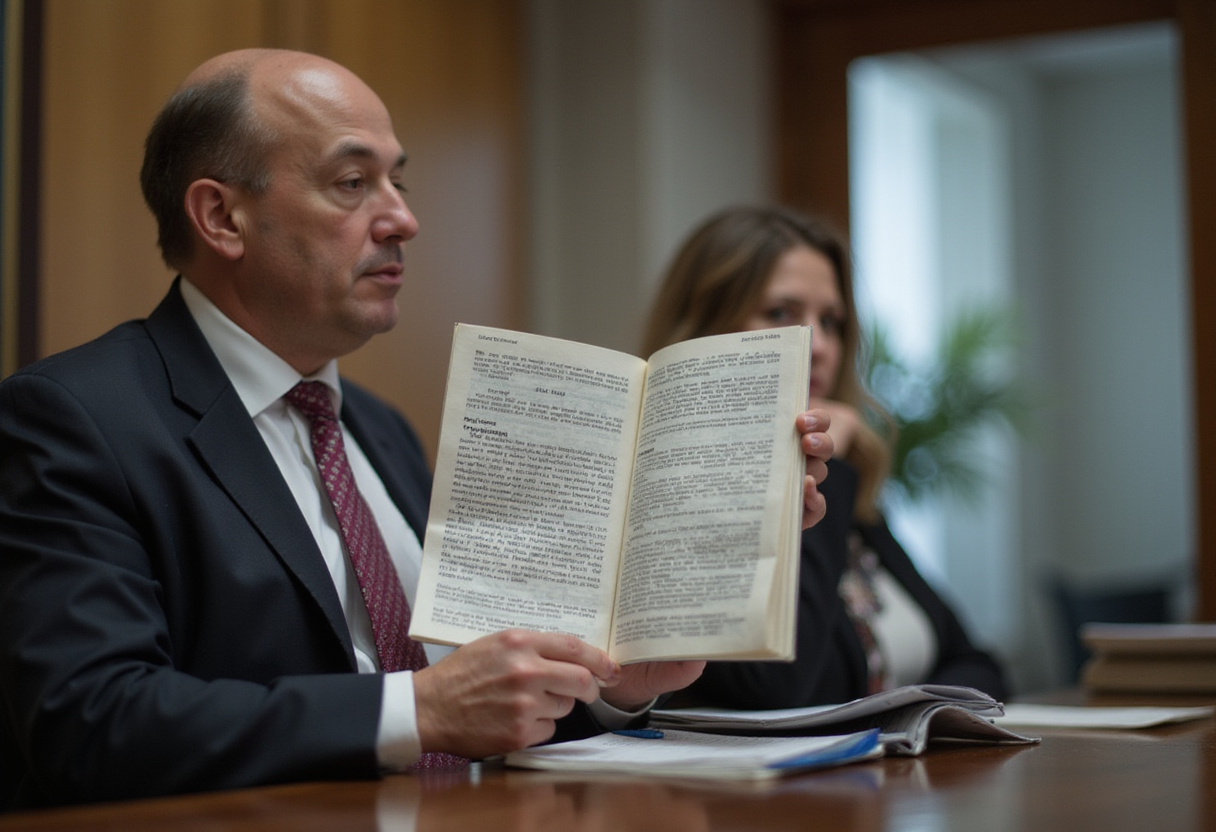
A US federal judge has blocked the imposition of American sanctions on human rights organizations that are assisting the International Criminal Court's war crimes inquiry into Gaza.
The ruling halts a sanctions measure that had targeted non-governmental groups cooperating with the ICC prosecutor's investigation. The court sided with the rights organizations. It found that the sanctions should not apply to them while the underlying legal challenge proceeds.
The decision matters for two reasons. First, it protects the operational freedom of civil society groups that provide research, documentation and legal support to the ICC. Second, it signals judicial willingness to check executive sanctions power when that power reaches advocacy and litigation activity.
Why were rights groups facing sanctions?
The United States has a long history of hostility toward ICC jurisdiction over American personnel and allies. Washington has previously authorized sanctions and visa restrictions against ICC personnel. The most recent measure extended that pressure to organizations helping the court's Gaza-related inquiry.
Rights groups challenged the sanctions in federal court. They argued the measure punished protected activity. They also argued it obstructed their work with an international court operating under lawful mandate.
The judge agreed to block enforcement at this stage.
What does the ruling change?
For practitioners, the immediate effect is narrow but real. Sanctions exposure no longer attaches, for now, to NGO assistance rendered to the ICC Gaza investigation. Compliance teams should note three points.
- The block appears to be an interim stage in ongoing litigation, so the final outcome remains open.
- Organizations cooperating with the ICC on Gaza matters should document the ruling's scope before relying on it.
- Any US-linked funding, banking or personnel arrangements still warrant careful review.
The broader takeaway: US courts can and will restrain sanctions that reach judicial cooperation and human rights advocacy, at least on an interim basis.
What comes next?
The litigation will continue. The government may appeal, or it may defend the sanctions program on the merits. Either path will take time.
For the ICC and its civil society partners, the ruling removes an immediate threat. For US sanctions lawyers, it adds a data point in the ongoing contest between executive sanctions authority and constitutional limits.
In plain words: a US judge has, for now, shielded rights groups helping the ICC's Gaza war crimes inquiry from American sanctions.
via GN International Courts (Source)
More from Grace Kim
Show full bio
Correspondent covering companies, deals and strategy in International law and legal practice at Global Law Wire.
244 articles