Law report No. GLW-4204 · filed October 13, 2026
Criminal JusticeReported case
US Sanctions Global Court as Its Judge Wins Nobel Peace Prize
The US has sanctioned the International Criminal Court in the same week a court judge received the Nobel Peace Prize, per The Hill. Details pending.
By Priya Raman2 min read431 words
Holding
- The United States imposed sanctions on the international criminal court
- A judge of the same court was awarded the Nobel Peace Prize
- The Hill reported the two events in a single story
- The sanction mechanism, date and named entities remain unconfirmed in the source material
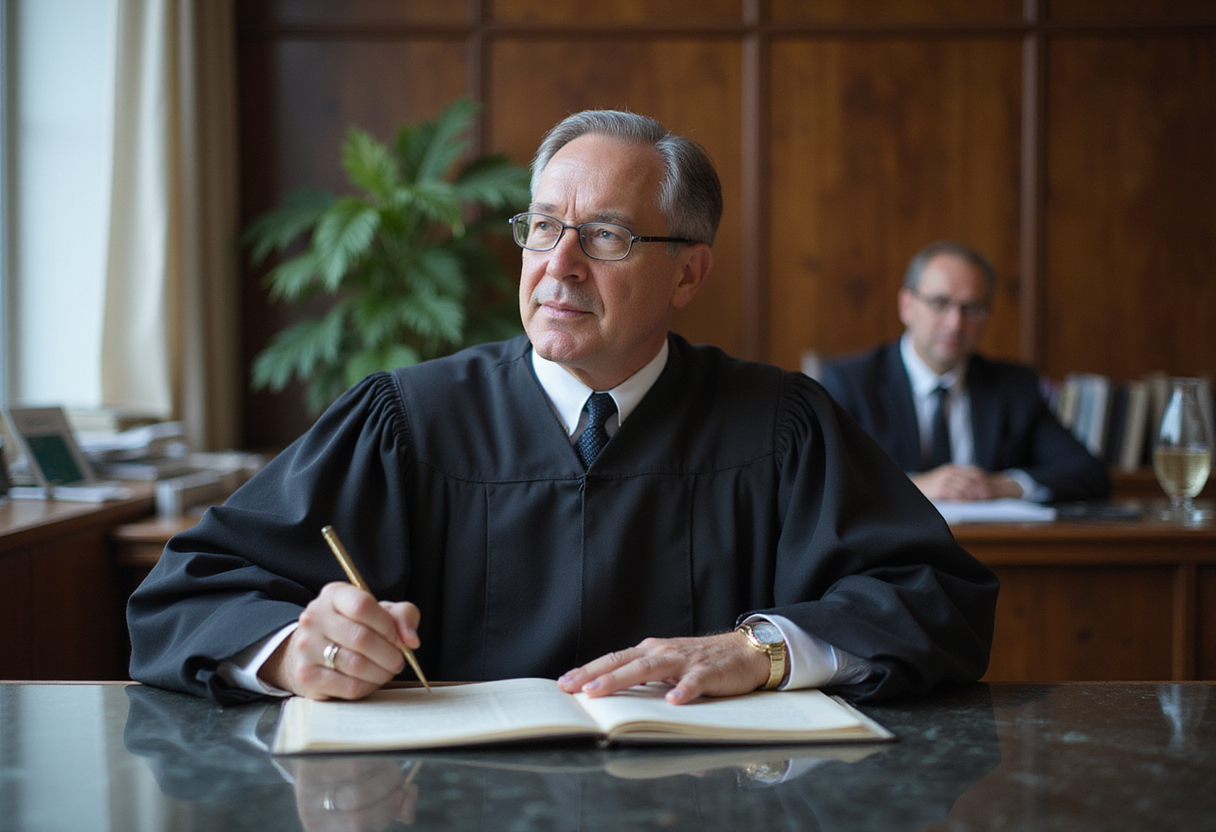
The United States has imposed sanctions on the International Criminal Court in the same week that one of the court's judges received the Nobel Peace Prize, a juxtaposition that lays bare the widening gap between Washington and the international justice system.
The sanction decision comes from the US government. The award comes from the Norwegian Nobel Committee. Two institutions. Two verdicts on the same court, delivered almost simultaneously.
What do we actually know?
The source material for this report is limited to the headline facts: the United States sanctioned the global court, and a judge of that court was awarded the Nobel Peace Prize. The Hill first reported the story. Specifics matter here, and several are not yet available in the material received.
What is not said is as important as what is said. The report does not identify which judge received the prize. It does not specify the sanctions mechanism invoked, the date of the designation, or the individuals or entities named in the US action. Each of those gaps invites a caveat. Practitioners should treat the framing as confirmed, the details as pending.
Why does the timing matter?
Sanctions against an international court are rare. A Nobel Peace Prize awarded to a sitting judge of that same court, in the same news cycle, is rarer still. The court in question handles cases of war crimes, crimes against humanity and genocide, matters that touch dozens of jurisdictions and hundreds of practitioners worldwide.
For lawyers advising sovereign clients, multinationals or NGOs, the practical consequence is immediate. Any engagement touching the sanctioned institution now requires a US sanctions screening review. That means counsel must check whether the designation covers the institution as a whole, its officials, or both. Until the precise scope is confirmed, cautious practice suggests treating both as potentially restricted. The cost of an error is not theoretical: US civil penalties for sanctions violations can reach hundreds of thousands of dollars per violation, per year of exposure.
Takeaway: the legal risk now sits at the intersection of international criminal law and US economic sanctions, a corner few practitioners know well.
What is not yet clear?
- The identity of the Nobel laureate judge
- The legal authority relied upon for the sanctions
- The exact date and scope of the designation
- Whether individual court personnel are named
Each omission is a promise of a follow-up story. Each follow-up will test the initial framing.
Takeaway: the headline is confirmed; the detail is not, and detail is where liability lives.
Global Law Wire will update this report as primary documents become available.
via GN War Crimes (Source)
More from Priya Raman
Show full bio
Staff writer covering companies, deals and strategy in International law and legal practice at Global Law Wire.
205 articles
Also before the court
- US Sanctions International Criminal Court Days After Nobel Award
- Trump Imposes Sanctions on ICC Days After Peace Prize Win
- US Hits International Criminal Court With Sanctions
- U.S. Rolls Out Harsh Sanctions on ICC as Former Judge Wins Nobel Peace Prize
- US Sanctions ICC Hours After Former Judge Wins Nobel Peace Prize